Plug Power (PLUG +1.75%) as big ambitions: build an end-to-end hydrogen ecosystem to produce, store, and deliver lower-carbon energy across the U.S. and Europe.
A first mover in the space, it has deployed 69,000+ fuel cell systems and is now scaling hydrogen production facilities on both continents. Plug is targeting ~30% annual growth through 2030 and expects profitability to improve along the way, aiming for positive gross margin exiting 2025 and positive operating income exiting 2027.
Here’s a step-by-step guide to investing in the stock and what to weigh before you buy.
How to buy Plug Power stock
Here's a step-by-step guide to adding the hydrogen-focused company to your portfolio:
- Open your brokerage app: Log in to your brokerage account where you handle your investments. If you don't have one yet, take a look at our favorite brokers and trading platforms to find the right one for you.
- Search for Plug Power: Enter the ticker "PLUG" into the search bar to bring up the stock's trading page.
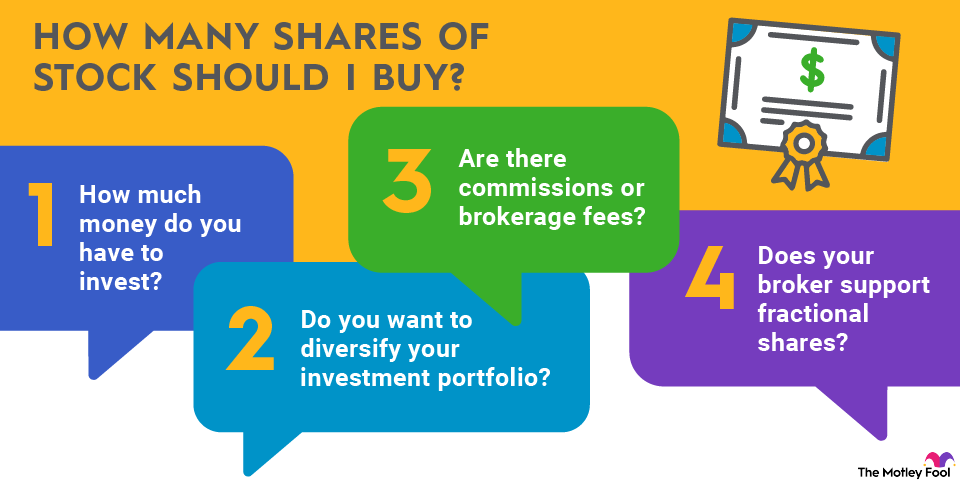
- Decide how many shares to buy: Consider your investment goals and how much of your portfolio you want to allocate to this stock.
- Select order type: Choose between a market order to buy at the current price or a limit order to specify the maximum price you're willing to pay.
- Submit your order: Confirm the details and submit your buy order.
- Review your purchase: Check your portfolio to ensure your order was filled as expected and adjust your investment strategy accordingly.
Should you invest in Plug Power?
Doing research is essential before buying a stock. It could lead you away from buying shares or further confirm your thesis. Here are some reasons why you might want to buy shares of Plug Power:
- You believe that green hydrogen powered by renewable energy could be a crucial solution in helping decarbonize the global economy.
- You think Plug Power's heavy investment in building an end-to-end hydrogen solution will pay off down the road.
- You believe the stock will significantly outperform the S&P 500 over the next five years.
- You don't need dividend income from your investment.
- You understand that Plug Power isn't profitable and will continue losing money for at least the next several years.
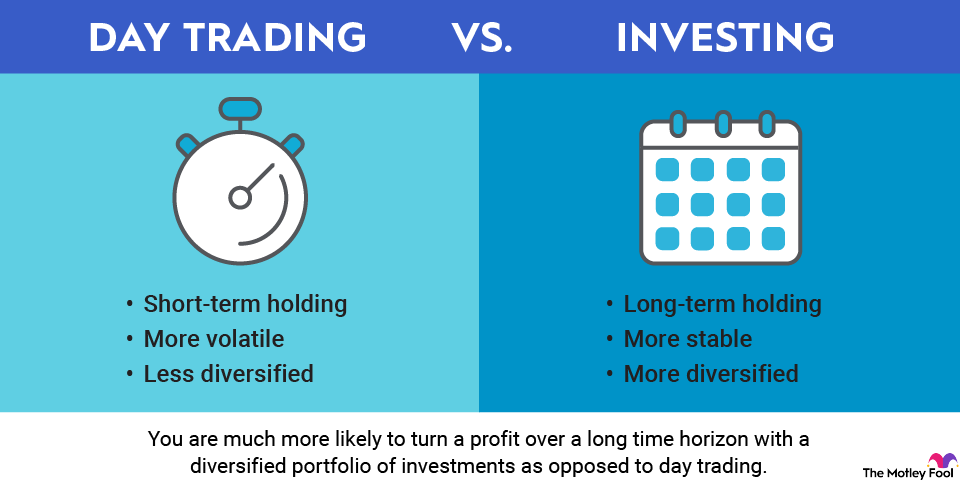
- You're comfortable with owning a stock that could be very volatile.
- You understand the risks, including the possibility that shares of Plug Power could continue to lose value.
On the other hand, here are some factors that might cause you to opt against buying shares of Plug Power:
- You're unsure if hydrogen will be a commercially viable alternative energy solution.
- You're worried about Plug Power's ability to finance its ambitious growth strategy.
- You're concerned that the company will continue to lose money.
- You're retired or nearing retirement and need investments that generate income.
- You're seeking investments with less volatility and a higher probability of generating attractive total returns.

NASDAQ: PLUG
Key Data Points
Is Plug Power profitable?
Profitability is a big driver of share price growth over the long term. Unfortunately, profitability has proven elusive for Plug Power. That has weighed on its share price over the years:

Shares of the company have lost more than 99% of their value since its initial public offering (IPO) more than 20 years ago.
Plug Power was still a long way from profitability as of mid-2025. In 2024, the company reported $628.8 million in revenue, down from $891.3 million. Plug posted a staggering loss of over $2.1 billion for the year, up from almost $1.4 billion in the prior year.
The company is on a path to profitability. It's investing heavily to increase its manufacturing scale and build green hydrogen production facilities, which should continue powering robust revenue growth while improving its margins. The company believes that as it continues to scale, it will eventually turn the corner and reach profitability in the coming years. It currently aims to reach overall profitability by the end of 2028.
Does Plug Power pay a dividend?
Plug Power didn't make dividend payments to its shareholders as of mid-2025. The company hasn't declared a dividend since its 1999 initial public offering. Since the company isn't yet anywhere near becoming profitable, it likely won't initiate a dividend in the foreseeable future.
How to invest in Plug Power through ETFs
An alternative to investing directly in Plug Power stock is to consider a passive investment through a fund that holds its shares. One of the most common passive investment vehicles is an exchange-traded fund (ETF).
Exchange-Traded Fund (ETF)
In mid-2025, 67 ETFs held 146.6 million shares of Plug Power, according to ETF.com. The Global X Hydrogen ETF (HYDR +1.73%) had the highest allocation to Plug Power at over 6.5%. It was the fund's fifth-largest holding. That makes it a potentially appealing option for investors seeking greater passive exposure to Plug Power and other leading hydrogen stocks.
Will Plug Power stock split?
Plug Power hadn't announced an upcoming stock split as of mid-2025. The company had never completed a regular stock split in its history.
However, Plug Power did complete a reverse stock split in 2011. It completed a 1-for-10 reverse stock split to maintain its listing on the Nasdaq Stock Market and make its share price more appealing to institutional investors like mutual funds and hedge funds. Given its low stock price (less than $1 per share in mid-2025), it might need to complete another reverse stock split to maintain its listing on the Nasdaq.
The bottom line
Plug Power has an ambitious plan to become a powerhouse in the hydrogen industry. The company is investing heavily to build additional hydrogen production sites and other infrastructure to become a leading provider of this lower-emissions fuel. The company's strategy could enable it to generate robust revenue and earnings growth in the coming years.
However, Plug Power has struggled to produce profits in the past. There's no guarantee it will achieve its bold plans and make money in the future. It's a very risky investment that could either pay off spectacularly or continue eroding shareholder value.
Related investing topics
FAQs
About the Author