How to interpret the capitalization rate
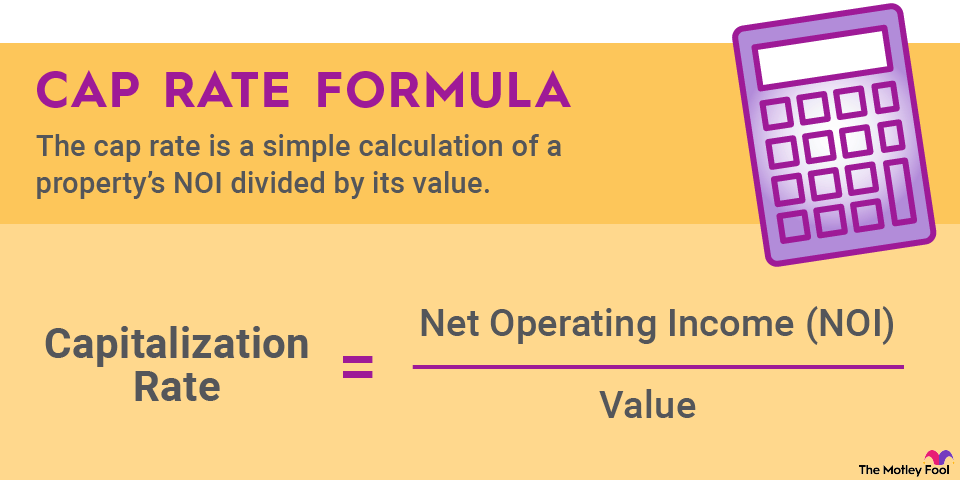
The cap rate helps measure the return of an investment property compared to other opportunities. As a general rule of thumb, a higher cap rate implies that an investment property offers a higher return than a similar investment. However, it also often suggests that this investment carries more risk.
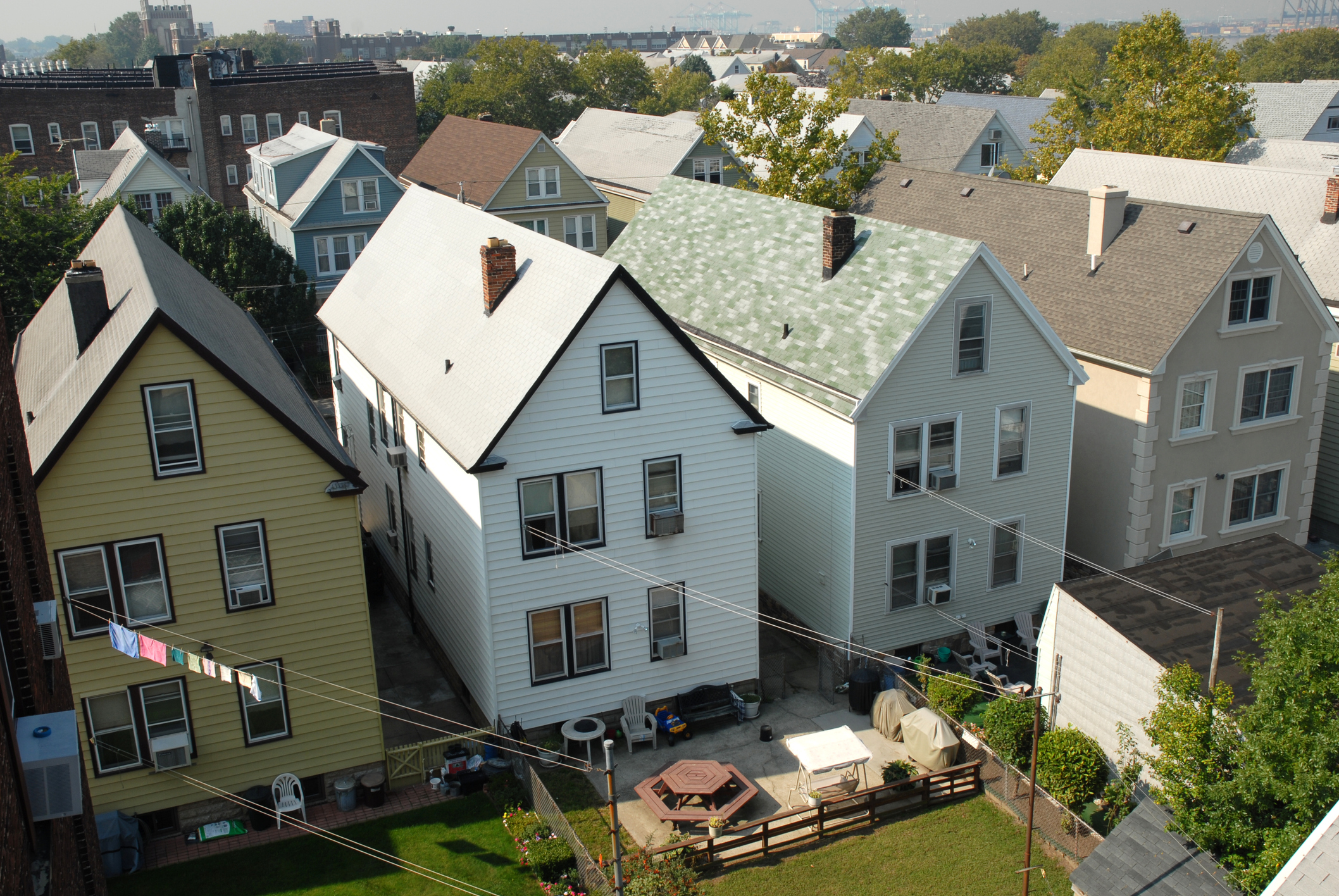
Cap rates vary significantly by property type, quality, and market. The cap rates on multifamily and industrial investments are lower than on office and retail properties. Cap rates also tend to be lower on Class A properties compared to Class B or C. Likewise, commercial properties in primary markets tend to have lower cap rates than those in secondary and tertiary markets.
For example, a recently built, well-located multifamily property in a fast-growing market like Atlanta will have a significantly lower cap rate than an older office property in a declining market like Binghamton, New York. That's because investors are willing to pay more for the NOI of the Class A multifamily property in a primary market since income will likely rise at an above-average rate due to strong occupancy rates and increasing rents. On the other hand, the NOI generated by the Class C office property in the tertiary market could decline due to a lack of tenant demand and higher potential maintenance expenses.
Many other factors can affect cap rates, including interest rates, the macroeconomic outlook, and investor demand. The definition of a good cap rate can change as those outside factors shift.
According to the Commercial Market Insights Report by the National Association of Realtors in March 2026, the national average cap rates by property type were as follows: