People want to know about investing in Zipline because it's an exciting delivery logistics start-up solving global problems with autonomous drones. Zipline was founded in 2014 and only started making deliveries in 2016. Despite how young this company is, it's already made more than 1.4 million deliveries worldwide.
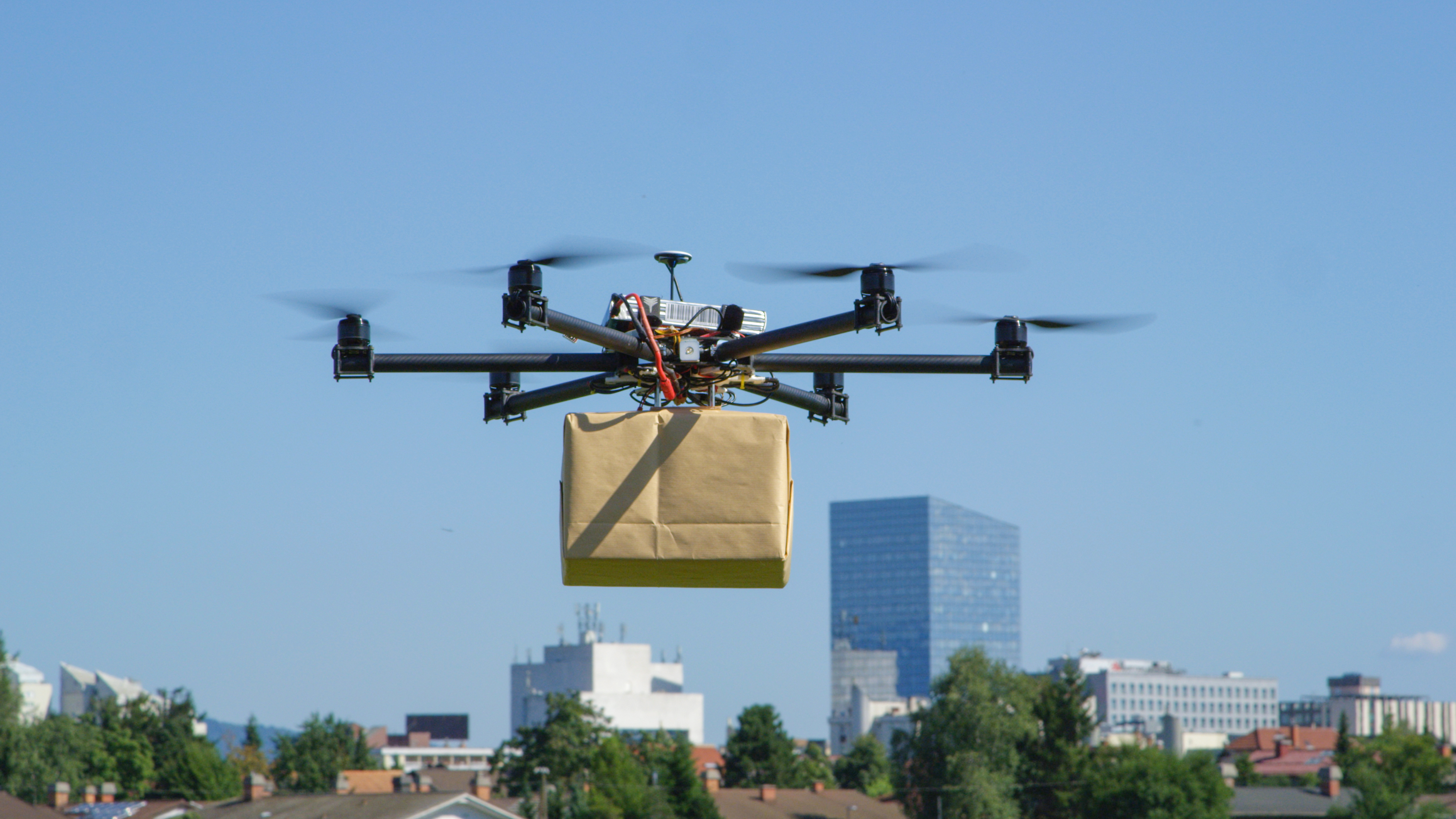
The first country to get on board with Zipline was Rwanda, where the company's drones deliver life-saving blood to remote medical centers nationwide. According to a 2022 study funded by the Canadian Institutes for Health Research, Rwanda was enjoying a 67% decrease in the amount of blood expiring before being used, all thanks to a Zipline system that clearly demonstrates the value of the service.
Other products being delivered there include animal health products, human vaccines, childhood nutrition products, medical supplies, and items made by local artisans. Meanwhile, Zipline adopters in the U.S. include retail giant Walmart (NYSE:WMT) and salad-centric restaurant chain Sweetgreen (SG -1.48%).
What started for Zipline in Rwanda is quickly expanding into new countries and new use cases. Let's explore what you need to know about investing in Zipline today.
Is Zipline publicly traded?
As of December 2025, Zipline is not yet a publicly traded company, so shares don't trade on major stock exchanges like the New York Stock Exchange or the Nasdaq. So, most people can't directly invest in the company.
However, Zipline has raised money in a series of private investments. At some point, these private investors and insiders with a stake in the company will likely want an opportunity for greater liquidity, possibly motivating Zipline to go public in the future.
Zipline could go public through an initial public offering (IPO) or opt for a direct listing. Either way, it must file paperwork with the Securities and Exchange Commission (SEC) first, giving retail investors time to review the numbers before deciding whether to invest.
IPO
When will Zipline IPO?
Anyone who peruses an IPO calendar will notice Zipline isn't there. That's because the company has not yet announced it's going public.
I believe it's reasonable to expect a Zipline IPO within the next few years. Consider that the company completed a $330 million Series F funding round in early 2023 and a $350 million Series G funding round in mid-2024, with the latter valuing the company at $5.2 billion.
Zipline is already on Series G, meaning many funding rounds have occurred. These private investors have limited options for recouping their investment and making money unless the company goes public.
They could sell their stakes in Zipline through private transactions, but this might be easier said than done for large stakes. Zipline could also buy out its investors, although the company would unlikely be financially positioned to do so.
Customarily, companies in Zipline's position will go public, allowing private investors to easily sell shares as desired. And when it finally happens, retail investors will be able to buy this IPO stock just like any other.
Of course, this assumes Zipline stays an independent company. However, it could be acquired before going public, which often happens.
Is Zipline profitable?
Zipline is a private company and, consequently, isn't required to disclose financial information to the public. But it's fair to believe that it isn't profitable.
Private companies commonly focus on growth and expansion rather than optimizing the business for profits, which is venture capital's primary concern. It's also why private investors have provided Zipline hundreds of millions of dollars to date. They hope the company uses its investment capital to grow rapidly, and they don't want management to hold back growth with concerns about the bottom line.
Alternatives to Zipline stock
The SEC regulates investments in private companies, such as Zipline, allowing participation only from accredited investors. Private-market exchanges, such as Forge Global (FRGE +0.04%) and EquityBee, have ways of obtaining shares.
One of the more direct ways for non-accredited investors to invest in Zipline is through an exchange-traded fund (ETF), which I'll get to in a moment. But it's also possible to invest in Zipline indirectly with shares of Alphabet (GOOG -0.85%)(GOOGL -0.80%), Goldman Sachs (GS -1.42%), and Toyota Tsusho.
Exchange-Traded Fund (ETF)
1. Alphabet
Alphabet's venture capital arm, Google Ventures (GV), has participated in multiple funding rounds for Zipline, so it owns a stake in the business. If you buy Alphabet stock, you own a piece of Zipline.
That said, Alphabet is one of the world's biggest companies, so its stake in Zipline is incredibly small by comparison.
2. Goldman Sachs
Like Alphabet, Goldman Sachs has participated in multiple funding rounds for Zipline, so Goldman Sachs shareholders also own a small piece of Zipline.
However, like Alphabet, Goldman Sachs is a huge company. Even if Zipline is hugely successful, it's unlikely to move the needle much for Goldman Sachs shareholders.
3. Toyota Tsusho Corporation
Finally, Toyota Tsusho Corporation is a Japanese conglomerate that has invested in Zipline -- and is also a customer. In the remote Goto Islands, Toyota Tsusho is delivering medical and pharmaceutical supplies in collaboration with Zipline's autonomous drones.
Toyota Tsusho is a publicly traded company on the Tokyo Stock Exchange. For U.S. citizens, trading international stocks on foreign exchanges isn't as straightforward as buying stocks on U.S. exchanges. Anyone looking to go this route will want to consult a professional to make sure they understand all the requirements and risks.

How to buy stocks similar to Zipline
Let's look at a step-by-step guide to buying stocks.
- Open your brokerage account: Log in to your brokerage account where you handle your investments.
- Search for the stock: Enter the ticker or company name into the search bar to bring up the stock's trading page.
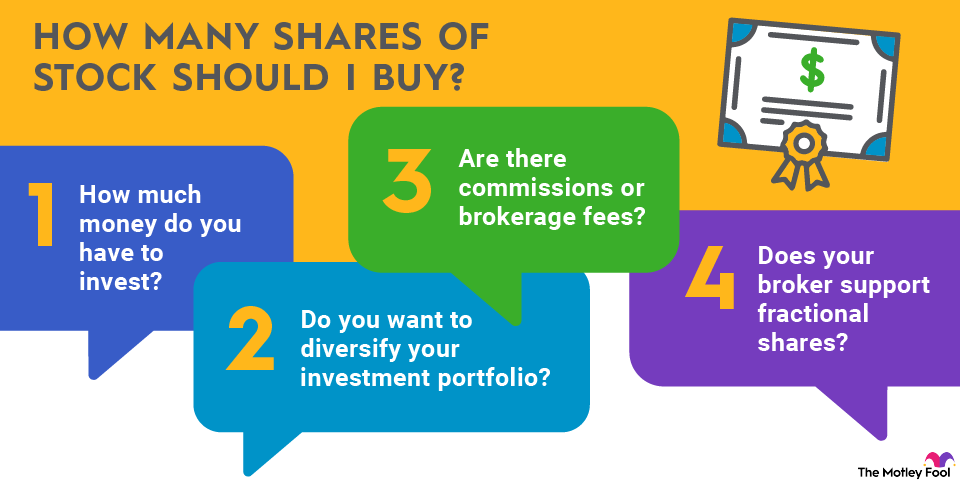
- Decide how many shares to buy: Consider your investment goals and how much of your portfolio you want to allocate to this stock.
- Select order type: Choose between a market order to buy at the current price or a limit order to specify the maximum price you're willing to pay.
- Submit your order: Confirm the details and submit your buy order.
- Review your purchase: Check your portfolio to ensure your order was filled as expected and adjust your investment strategy accordingly.
Should I invest in Zipline?
According to a 2022 report by Allied Market Research, the market for autonomous last-mile delivery is expected to grow at a mind-blowing 24% compound annual growth rate (CAGR) through 2030, exceeding $90 billion. So, there are reasons to believe this will be a big trend in the coming years, and Zipline is an aptly positioned company to benefit from the growth.
Zipline may have a competitive advantage when it comes to domestic autonomous drone delivery. The Federal Aviation Administration (FAA) controls airspace in the United States. And in 2022, Zipline was the first company of its kind to be approved for long-range drone delivery. Then in 2024, the FAA approved an industry-first airspace traffic management system for drone delivery for Zipline.
Though it's also operating in international markets, Zipline's U.S. growth is important for its long-term goals. Receiving FAA approval is a crucial step as it marches forward.
There's certainly plenty to support a bullish outlook for Zipline. That said, this business has risks as well. One such risk is competition. Amazon (AMZN +0.40%) is, perhaps, the best-funded competitor and has been experimenting with autonomous drone delivery for years.
It's important to note that Zipline must also provide its customers with distribution centers and logistics software to make everything work smoothly. Amazon excels at that, potentially giving it a leg up.
There's no right answer when investing in stocks because the future is uncertain. Investors will need to weigh the risks against the potential upside to determine whether this investment makes sense for them and their personal financial goals.
ETFs with exposure to Zipline
So far, most of Zipline's funding has come from venture capital. Fortunately for retail investors, one fund "seeks to democratize venture capital." This fund is the ARK Venture Fund, which comes from Cathie Wood's Ark Invest.
The Ark Venture Fund has a portfolio comprising both public and private companies. According to current fund documents, Zipline is one of the holdings. The fund is available to non-accredited investors but does come with a $500 minimum investment.
Anyone interested in a fund like this should be sure to read all the relevant documents before investing. This is an actively managed fund, and fees can be above average, diminishing its potential upside.
Related investing topics
The bottom line on Zipline
Zipline is using autonomous drones to make deliveries worldwide. The company is growing fast and could benefit from industry trends.
There are ways to invest in this business, both directly and indirectly. However, not all relevant information is public at this time, so it can be hard to assess it as an investment. And there are stiff challenges ahead that investors must fully consider before investing in Zipline.
FAQs
About the Author