The cons of investing in bonds are:
- Less cash: Bonds require you to lock your money away for extended periods of time.
- Interest rate risk: If rates rise after you invest in bonds, then your bonds drop in value. Holding on to them will mean getting stuck with the lower rate and smaller earnings.
- Issuer default: This is uncommon, but if an issuer defaults on its obligations, you risk losing out on interest payments, not getting your principal repaid, or both.
- Transparency: There's less transparency in the bond market than in the stock market, so brokers can sometimes get away with charging higher prices.
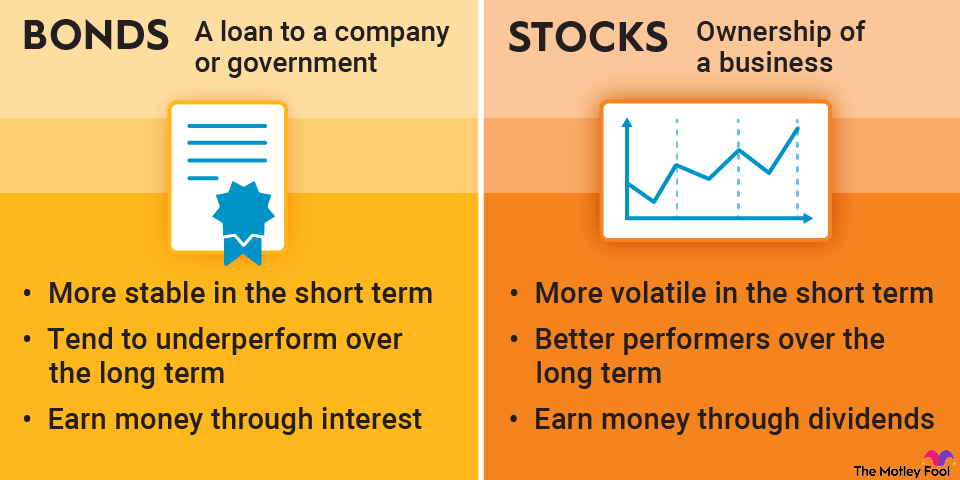
- Smaller returns: The return on investment with bonds is substantially less than what you might get with stocks, particularly the kinds of returns the best stocks deliver.
How to choose bonds
Here are the main factors to consider when choosing bonds to buy:
- Security: You can assess a bond's safety based on its credit rating. Treasury bonds don't have credit ratings but are the safest choice, since they're backed by the federal government.
- Yield: Check both the coupon rate and the total amount you'll make over the life of the bond.
- Term: Decide your bond duration. Longer bonds provide more stability but also carry more interest rate risk.
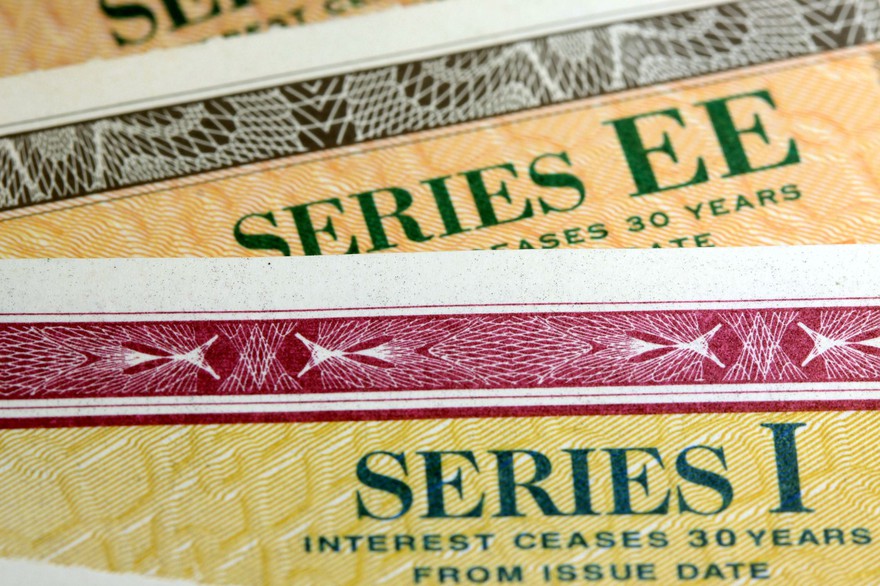
- Tax implications: Treasuries and municipal bonds both offer tax benefits that can reduce your tax liability.
Strategies for bond investing
Popular strategies to get the most out of bonds include:
- Bond ladder: Buy a series of bonds with staggered maturity dates, such as one-year, two-year, and three-year bonds. Bond laddering reduces interest rate risk. If rates rise, you can reinvest when one of your bonds matures.
- Bond barbell: Divide your money between short-term and long-term bonds. Short-term bonds offer flexibility, while long-term bonds generally yield higher returns. With bond barbelling, you get the benefits of both.
- Bond bullet: Buy multiple bonds at different times with the same or similar maturity dates. A bond bullet works well if you have a major expense coming up, such as a home purchase or college tuition for your children, and you want to gradually add to your bond holdings. You can safely earn interest and structure your portfolio so that your bonds mature when you need the money.
The cost of buying bonds
Bond brokers may add a markup to the price of a bond, meaning they charge more than what they paid for it. Some brokers also charge a commission, normally a flat fee, on bond trades.
Markups and commissions lower your overall returns from your bond portfolio. A 0.5% markup on a five-year bond effectively lowers your returns by 0.1% per year.
If you sell bonds instead of waiting for them to mature, the broker may also charge a markdown. A markdown is when a broker offers a lower price for your bond than it plans to sell the bond for.
Should you invest in bonds?
It makes sense to buy bonds when you want a fixed-income investment or need to reduce risk and volatility in your portfolio. Here are some situations when investing in bonds could be a good choice:
- You're near retirement or already retired. You may not have the time to ride out stock market downturns. In that case, bonds are a safer place for your money.
- You're heavily invested in stocks and want to diversify to protect against market volatility.
- You're risk-averse and don't want to have the possibility of losing money in stocks.
Most people are advised to shift from stocks to bonds as they get older. It's reasonable advice, provided you don't dump your stocks completely in retirement.