What does a supercycle look like?
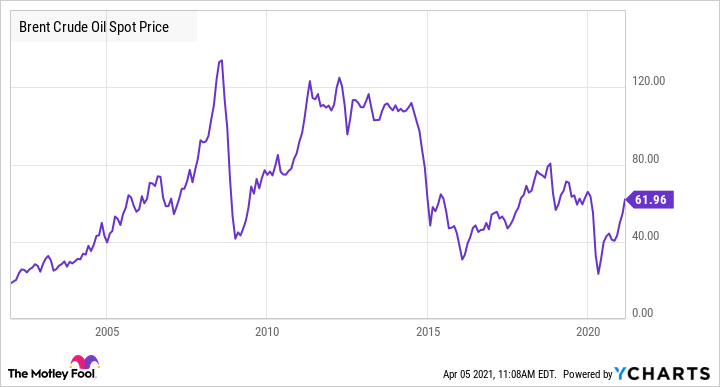
Commodity supercycles are driven by supercycles in the broader economy and are characterized by sustained rising demand for raw materials, manufactured materials, and sources of energy. But the commodities sector is especially cyclical, more so than the broader economy, because of the lag time that necessarily occurs between supply shortages and the completion of additional production capacity. Commodities producers struggling to meet demand often respond by initiating the development of new mines or oil fields, which can take years to complete. Too much new production capacity, which may be coupled with a reduction in the pace of demand growth, can cause supply shortages to become excesses in supply. The predictable result when supply significantly exceeds demand is that prices for the commodities crash.
A commodity supercycle is a sustained period, usually more than a decade, of increasing commodity demand. A long period of high commodity prices resulting from supply shortages greatly increases the amount of cash held by commodities producers, which prompts many of those producers to spend money on expanding their production capacities. Many commodities producers responding in a similar fashion to supply shortages increases the likelihood that too much new production capacity is created -- a dynamic that is only exacerbated by the long duration of supercycles. The difficulty of matching commodity supply with demand makes commodity prices especially volatile.
Different types of economic catalysts can trigger commodity supercycles. A few specific examples from recent history include:
- The industrialization of the United States in the late 19th century.
- The reconstruction of Europe and Japan after World War II.
- The emergence of China as a leading global manufacturer.
Each of these periods of sustained economic growth created step changes in demand for commodities. But regardless of whether demand for commodities is catalyzed by reconstruction or new growth, the result is the same during a commodity supercycle -- supply shortages cause commodity prices to rise, and the development of additional production capacity is initiated by commodities owners.