Types of oil stocks
There are a number of subsectors inside the oil business.
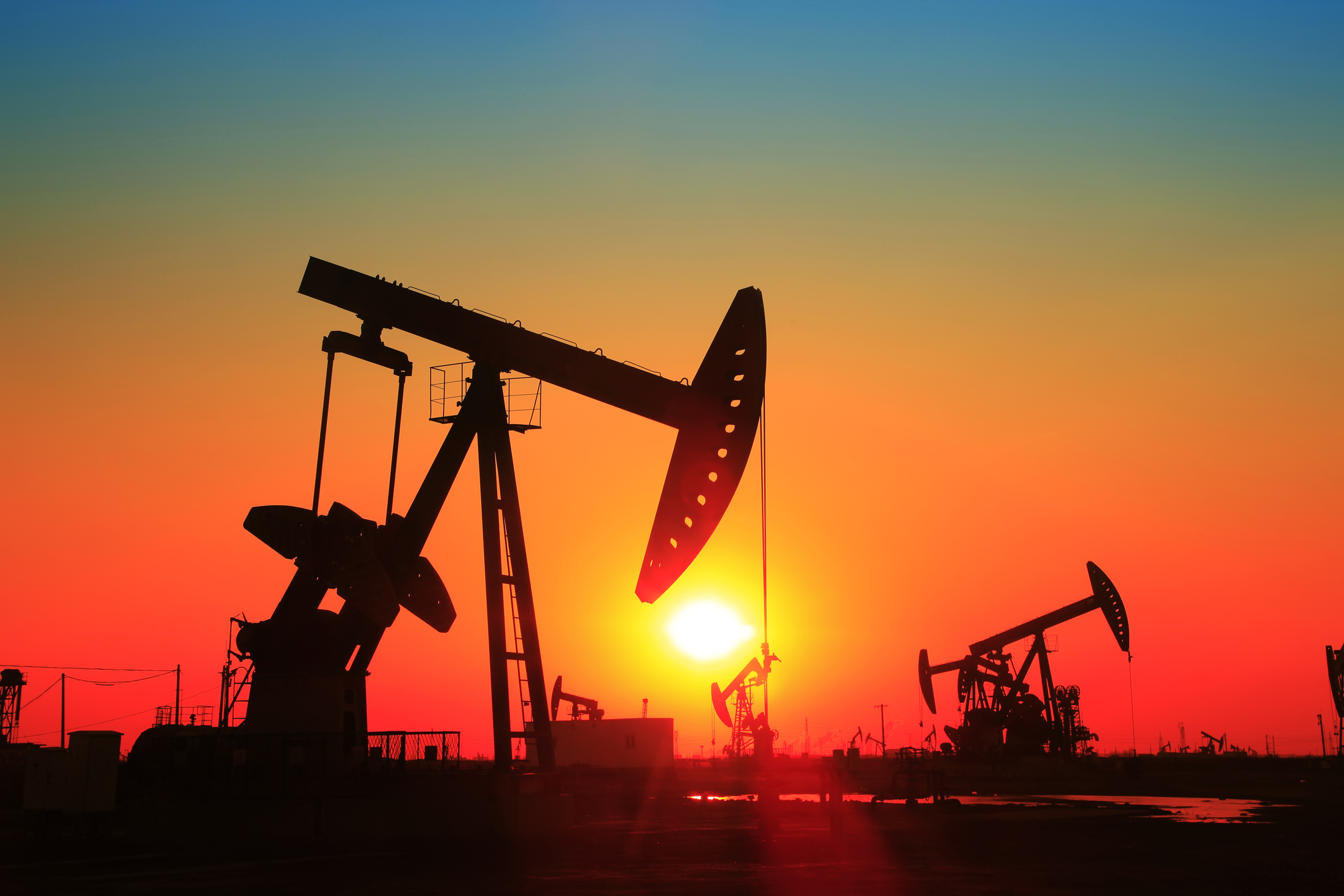
- Exploration and production (E&P) stocks: These are the companies that find and extract hydrocarbons.
- Oilfield services stocks: These are companies that provide support, equipment, and services to oil and gas exploration and production companies. Services include drilling, seismic testing, well maintenance, and equipment manufacturing.
- Refining stocks: These are companies that process crude oil into usable products like gasoline, diesel, and jet fuel.
- Integrated oil company stocks: These are companies that operate across the entire oil and gas value chain, including exploration, production, transportation, refining, and marketing the finished product.
- Master limited partnership (MLP) stocks: These are publicly traded partnerships that own and operate energy infrastructure assets, such as pipelines, storage facilities, and refineries. A key feature is their pass-through tax status, which avoids corporate-level income tax, though investors are taxed on their share of the income.
How to analyze oil stocks
The oil industry is inherently risky for investors. Although each segment of the industry has a specific set of risk factors, the overall oil business is both cyclical and volatile.
Oil demand generally tracks economic growth. A robust economy can support rising oil prices and oil producer profitability. However, geopolitics and capital allocation also play crucial roles in the industry.
The world's largest oil-exporting nations include members of OPEC (Organization of the Petroleum Exporting Countries), a cartel that works to coordinate members' oil policies. OPEC's actions can significantly affect the price of oil. It can withhold supply to push prices higher or increase its output to drive them lower. OPEC has wielded its power over the years, causing massive fluctuations in oil prices.
Meanwhile, oil companies that operate independently of OPEC can also have an impact on oil prices. If they allocate too much capital to new projects, they can cause an oversupply and weigh on prices. If they hold back too much, they can cause prices to surge. Since oil and gas assets are developed over a long time, companies cannot quickly increase their supplies in response to favorable market conditions.
Given the volatility of oil prices, an oil company must have three crucial characteristics to survive the industry's inevitable downturns:
- A strong financial profile with an investment-grade bond rating, significant amounts of cash on hand or ample access to affordable credit, and manageable, well-structured debt maturities.
- Low costs of operations or relatively stable cash flow streams. E&P companies need to be able to profitably sustain operations; in 2025, that meant oil prices of anywhere from $30 per barrel for conventional wells to $75 for oil sands. Midstream companies should get more than 85% of their cash flow from steady revenue sources such as fee-based contracts. Downstream companies should have operating costs below the industry average.
- Diversification. Oil companies should operate in more than one geographical region or be at least partially vertically integrated by engaging in several different activities.