Shopify (SHOP +0.92%) is a leading global commerce platform that helps businesses sell online and in person. Its tools span software, payments, point-of-sale hardware, and financial services, making Shopify a core infrastructure provider for e-commerce worldwide.
Here's a step-by-step guide on how to invest in the stock and some things to know before adding Shopify to your portfolio.
How to buy Shopify stock
To buy shares of Shopify, you must have a brokerage account. If you need to open one, here are some of the best-rated brokers and trading platforms.
- Open your brokerage account: Log in to your brokerage account where you handle your investments.
- Search for Shopify: Enter the ticker "SHOP" into the search bar to bring up the stock's trading page.
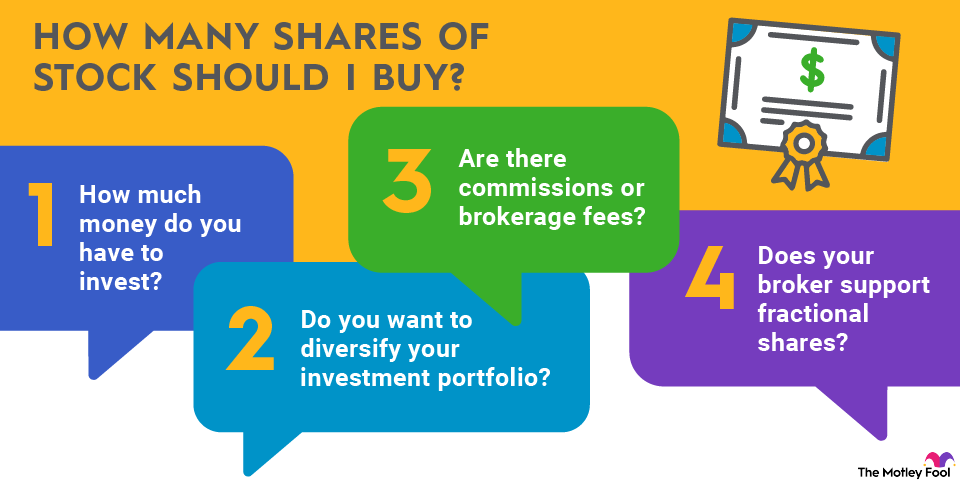
- Decide how many shares to buy: Consider your investment goals and how much of your portfolio you want to allocate to this stock.
- Select order type: Choose between a market order to buy at the current price or a limit order to specify the maximum price you're willing to pay.
- Submit your order: Confirm the details and submit your buy order.
- Review your purchase: Check your portfolio to ensure your order was filled as expected and adjust your investment strategy accordingly.
How Shopify makes money
Shopify generates revenue from two main segments:
- Subscription solutions (about 27%): Monthly fees merchants pay to use Shopify’s platform and tools.
- Merchant solutions (about 75%): Revenue tied to merchant activity, including payment processing (Shopify Payments), currency conversion, financing, and partner referrals.
Merchant solutions now drive the majority of growth, benefiting as merchants scale sales on the platform.
Shopify’s growth strategy
Shopify continues to invest heavily in expanding its platform. Recent initiatives include:
- AI tools (Shopify Magic) to help merchants manage stores, marketing, and operations more efficiently.
- Buy now, pay later through Shop Pay Installments, available both online and in-store.
- A leaner operating model following the sale of its logistics business to Flexport, while retaining an equity stake.
Management believes these moves give Shopify a long runway as global commerce continues shifting online.
Should you invest in Shopify?
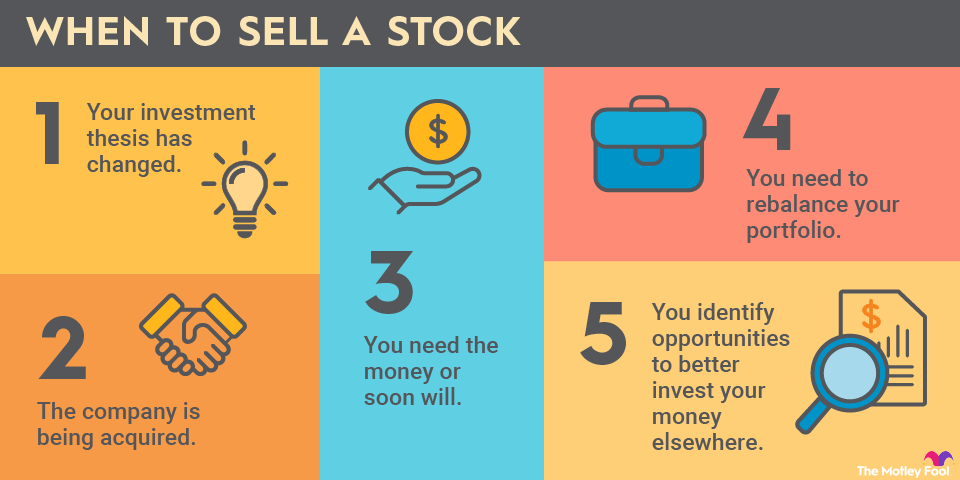
Here's a list of reasons why you might want to invest in Shopify:
- You want to own stocks directly and have time to follow the company.
- You want to invest in a fast-growing company with high stock price appreciation potential.
- You understand how Shopify makes money.
- You like the company's business model and focus on providing commerce solutions.
- You don't need dividend income.
- You like that Shopify is a founder-led company.
- You think the company's decision to sell its logistics business to Flexport is a smart move, and like that it retained an equity interest in that company.
- You think the company's move into AI in retail will be a big growth driver in the future.
- You understand that Shopify isn't consistently profitable.
- You like that the company generates free cash flow and has a cash-rich balance sheet.
On the other hand, there are many reasons why an investor might decide that Shopify stock isn't right for their portfolio, including:
- You don't want to own stocks directly or have time to follow the company.
- You're near retirement and need dividend income.
- You're concerned about how a recession might affect the consumer discretionary industry and the merchants utilizing Shopify's platform.
- You want to invest in companies more consistently profitable than Shopify.
- You're concerned about the risk that shares could lose value.
- You don't think AI will be a major growth driver for the company.
- You don't like the company's decision to sell its logistics business or its investment in Flexport.

NASDAQ: SHOP
Key Data Points
Is Shopify profitable?
Profit growth is one of the most important drivers of stock price growth over the long term. As of late 2025, Shopify finally became consistently profitable on both generally accepted accounting principles (GAAP) and a non-GAAP basis.
In the first nine months of 2025, Shopify reported $7.8 billion in revenue, a 23% increase from the first nine months of 2024. The company reported a gross profit of $3.8 billion (19.2% higher than in the same period of 2024). On a continued positive note, Shopify reported $488 million in net income in the third quarter of 2025.
Shopify has delivered sustained and growing profit on a non-GAAP basis. Its gross profit has routinely topped $900 million in each quarter over the past year, while its adjusted operating income has been more than $200 million in every quarter during that period.
The company was also strong and improving free cash flow. It delivered its fourth straight quarter of double-digit free cash flow margin in the third quarter of 2025.
Changes in profitability have a significant correlation with the movement of Shopify's stock price:
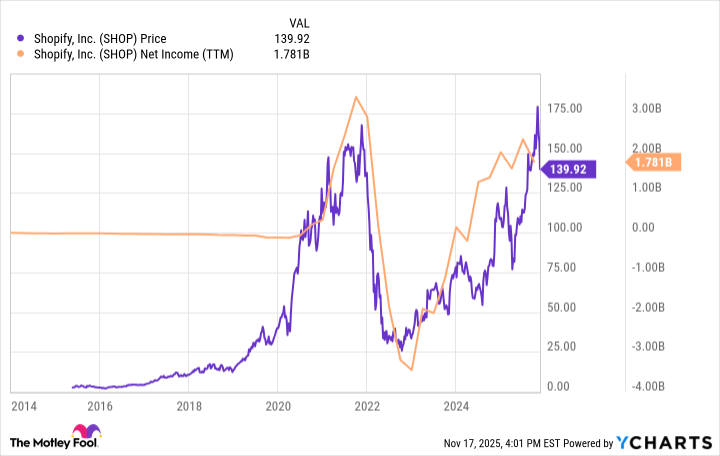
As that chart shows, the company's profits initially soared following the COVID-19 pandemic, fueling its rising stock price. However, profits fell off a cliff in 2022, which weighed on the share price. On a more positive note, they've bounced back in recent quarters, which has driven a recovery in the stock price.
Given the impact Shopify's profitability has on its stock price, investors need to watch this metric closely. If the company can return to growing earnings briskly, its stock price could eventually rise to new heights.
Does Shopify pay a dividend?
As of late 2025, Shopify didn't make dividend payments to its shareholders. The company has never declared a dividend. It also doesn't expect to pay a dividend in the near future. Instead, Shopify retains its earnings to fund its operations and expand its business.
The company's fluctuating profitability also affects its ability to return money to investors by paying dividends and repurchasing shares. As the company matures and profits stabilize, it could eventually return cash to investors by initiating a dividend.
The bottom line
Shopify is a fast-growing company. It has quickly become a leader in providing commerce solutions to merchants. It has a long growth runway ahead, which should enable Shopify to grow its earnings (and stock price), making it a potentially compelling investment opportunity for growth-focused investors.
However, Shopify stock isn't for everyone. It's not consistently profitable and doesn't currently pay dividends, making its shares more volatile. Investors need to carefully consider whether they want to invest in Shopify before adding shares to their portfolios.
Related investing topics
FAQ
About the Author