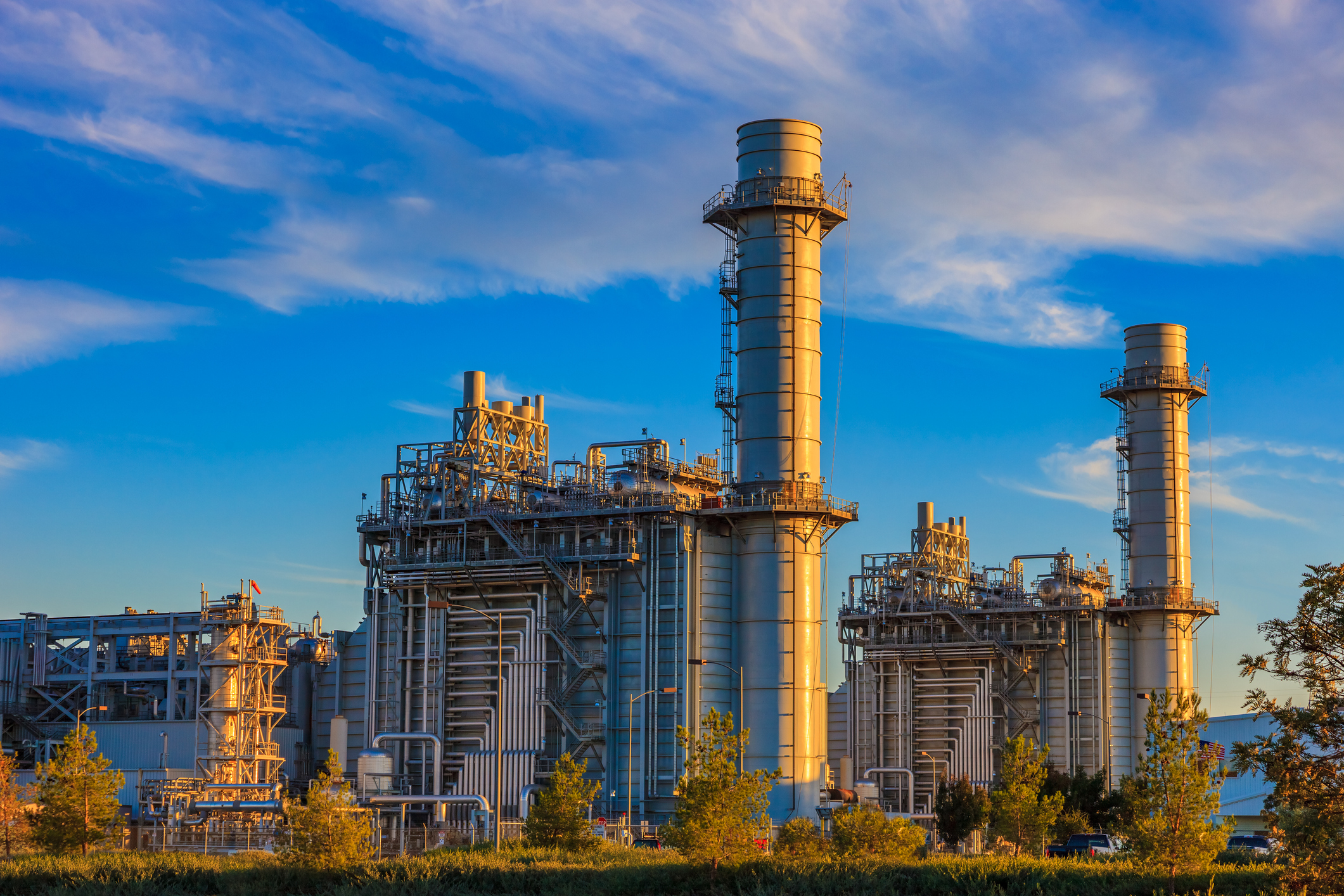
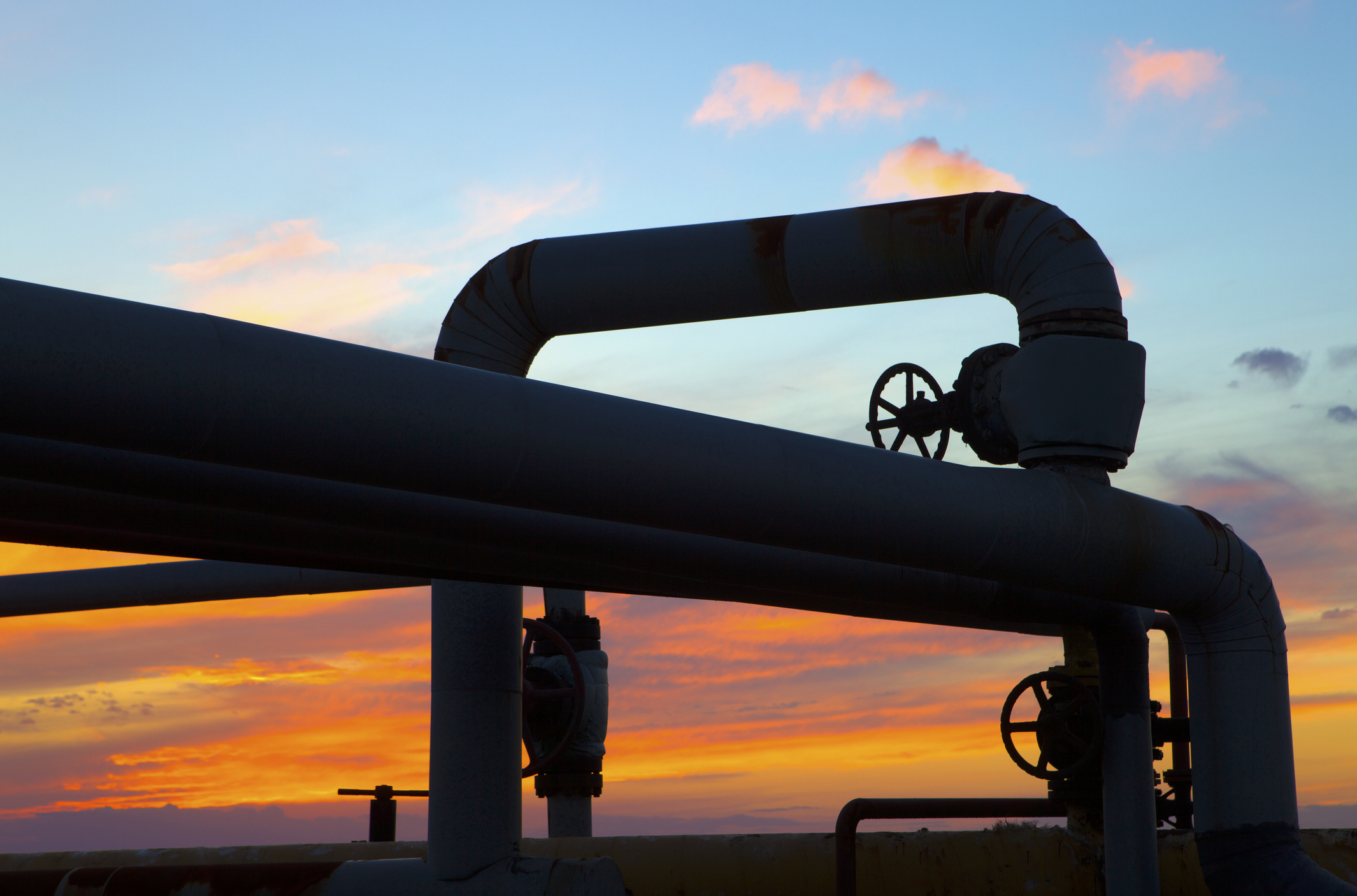
Oneok (OKE +1.68%) is one of the largest integrated energy infrastructure companies. The pipeline corporation has a strategically located, 60,000-mile pipeline network. It handles natural gas, NGLs, crude oil, refined products, and carbon dioxide.
The pipeline company has transformed its operations through a series of acquisitions over the past few years. These deals will provide it with plenty of fuel to continue growing as it captures additional merger synergies over the next few years. Oneok also has several expansion projects on track to come online through mid-2028. These catalysts will enable the company to increase its dividend by 3% to 4% annually.
How to invest in pipeline stocks
Anyone can invest in pipeline stocks by following this step-by-step guide:
- Open your brokerage app: Log in to your brokerage account where you handle your investments.
- Search for the stock: Enter the ticker or company name into the search bar to bring up the stock's trading page.
- Decide how many shares to buy: Consider your investment goals and how much of your portfolio you want to allocate to this stock.
- Select order type: Choose between a market order to buy at the current price or a limit order to specify the maximum price you're willing to pay.
- Submit your order: Confirm the details and submit your buy order.
- Review your purchase: Check your portfolio to ensure your order was filled as expected and adjust your investment strategy accordingly.
Common mistakes to avoid when buying pipeline stocks
While pipeline stocks can make great investments, investors need to be careful to avoid the following common mistakes when investing in the sector:
- Not fully grasping the potential tax implications when investing in a master limited partnership.
- Buying a pipeline company based on yield alone and not analyzing whether it has the financials to support its dividend payments.
- Investing in a pipeline company with a weaker financial profile that's unable to fund its growth and dividend payments if industry conditions deteriorate.
Pros and cons of investing in pipeline stocks
Investing in pipeline stocks has its share of benefits and drawbacks. Some pros of investing in pipeline stocks include:
- Income: Most pipeline companies generate stable income backed by long-term fixed-rate contracts or government-regulated rate structures. That enables them to pay high-yielding dividends to their investors.
- Low volatility: Pipeline companies tend to be less volatile than the average stock.
- Potential tax advantages: Pipeline companies structured as MLPs offer tax advantages, such as deferring taxes on some of the distribution income received.
Meanwhile, some cons of pipeline investments are:
- Slower growth: Most pipeline companies tend to grow their earnings at a low-to-mid single-digit annual rate.
- Potential tax complications: MLPs send a Schedule K-1 federal tax form, which can delay and complicate your annual tax filing.
Factors to consider when choosing pipeline stocks
Investors need to consider the following factors before adding a pipeline stock to their portfolio:
- Business mix: Many pipeline companies own diversified portfolios of energy midstream assets. Others focus more on a specific aspect of the sector, such as operating oil pipelines or gas gathering and processing assets. These portfolio differences can have a major impact on a company's cash flow stability and growth prospects.
- Financial strength: Energy midstream companies need to invest a lot of capital to maintain and expand their pipeline infrastructure. They need strong financial profiles with conservative dividend payout ratios and investment-grade balance sheets. Pipeline companies with weaker financial profiles may need to cut dividends during a market downturn.
- Structure: Some pipeline companies have opted to structure their businesses as MLPs, while others are traditional corporations. Investors need to consider whether the tax advantages of investing in an MLP are worth the additional complications.
Key trends in the pipeline industry
Forecasters expect U.S. natural gas demand will rise between 19 bcfd and 26 bcfd by 2030 from 2025's level of 115 bcfd. The main drivers are LNG and power demand, with the latter partly driven by AI data centers. This expected surge in gas demand will fuel the need for investment in new infrastructure, including pipelines. This catalyst should enable pipeline companies to grow their earnings and dividends in the coming years.