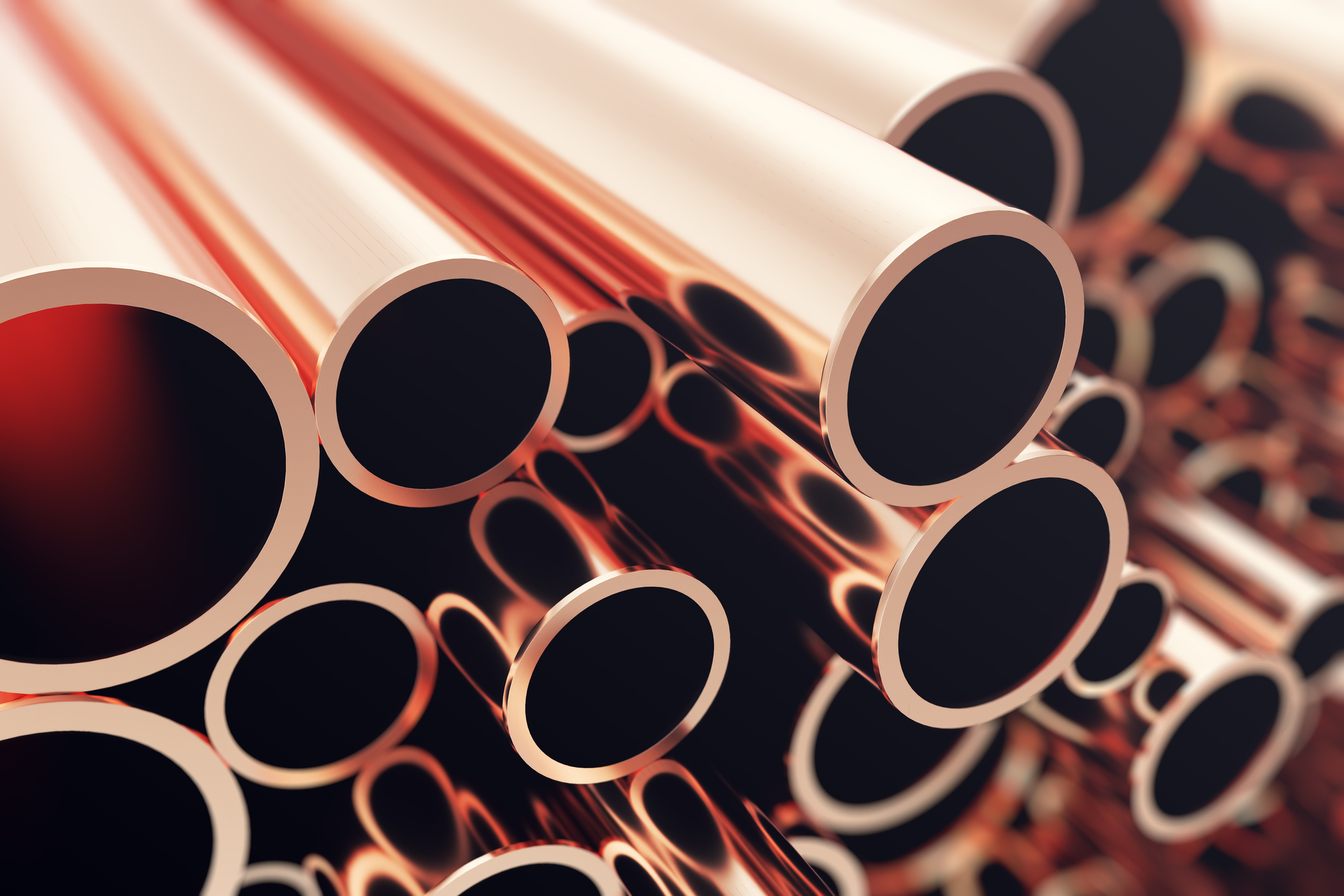
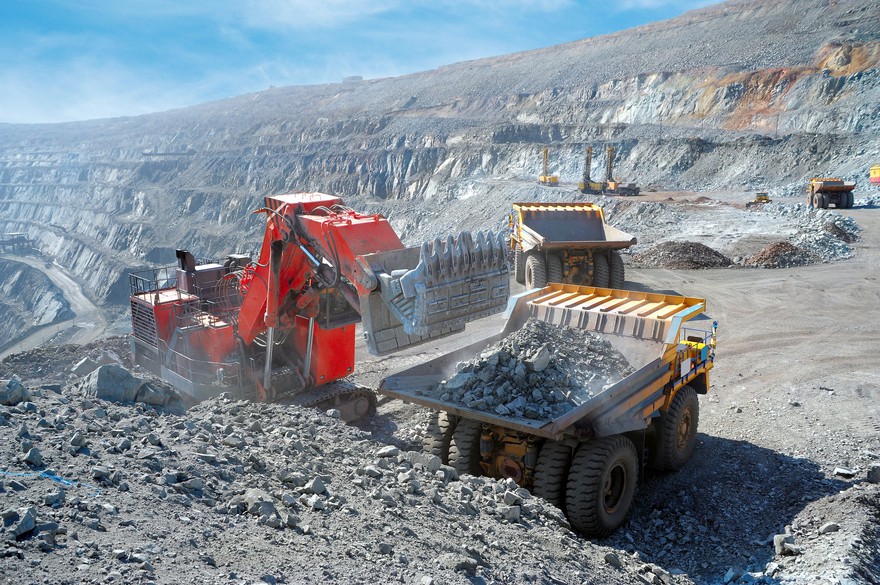
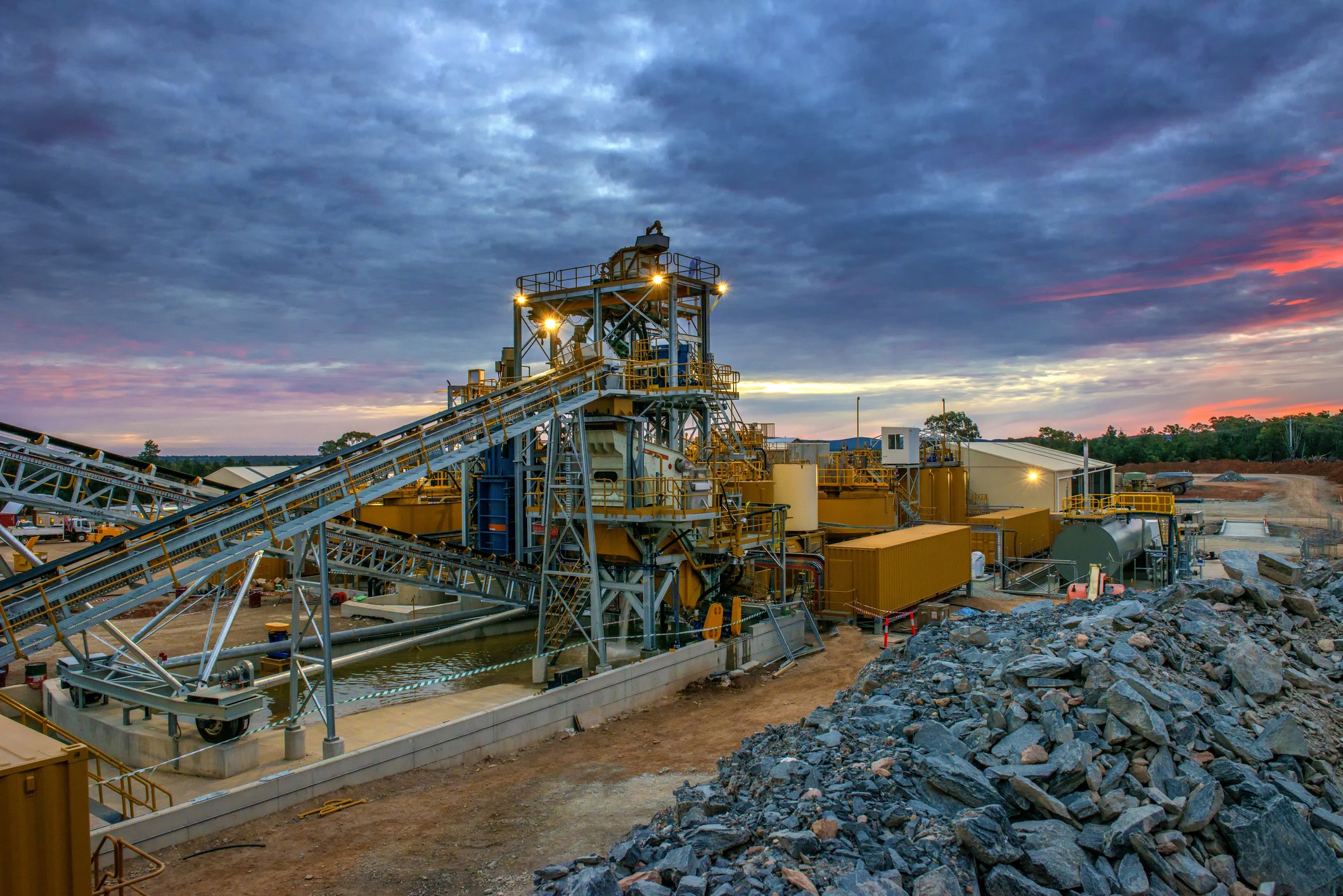
Cobalt is a base material used in manufacturing. Usually a byproduct of refining copper or nickel, this element is used in items that include electric vehicle (EV) batteries, industrial equipment parts, and paints.
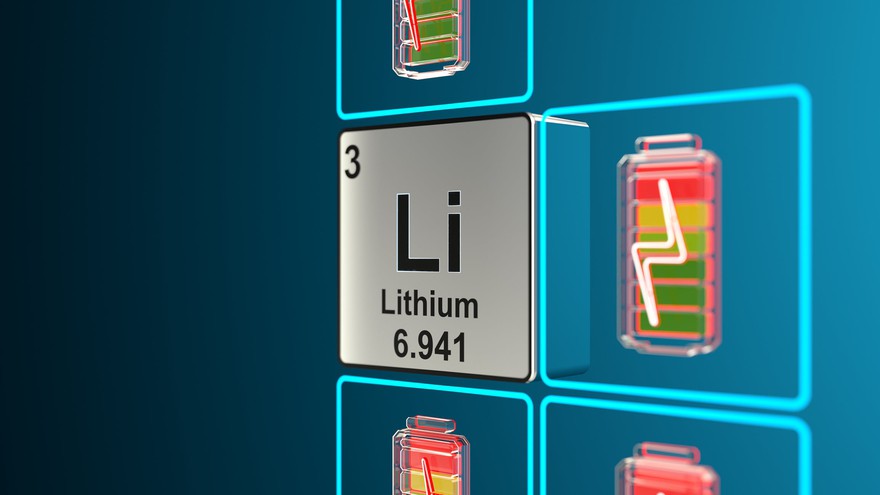
Particularly due to rising demand for lithium-ion batteries in electronic devices and electric cars, cobalt prices rose steadily in 2021 and 2022. Mining companies increased output in response, leading to a cobalt surplus.

Demand also dropped for several reasons, including the development of low-cobalt batteries and concerns about human rights and environmental abuses in the Democratic Republic of Congo, where more than 70% of cobalt was mined in 2024. By mid-2024, the spot price of cobalt was down more than 60% from the highs it reached about two years prior.
Facing an oversupply and tanking prices, the Democratic Republic of Congo announced a temporary cobalt export ban in early 2025. The ban increased the price of cobalt by a little more than one-third in the first half of 2025. The ban ended in October 2025, but it's been replaced by an export quota that will restrict DRC cobalt exports in 2026 and 2027 to roughly half of 2024 levels.
Cobalt is used in most EV batteries and has a wide range of applications. Short-term price fluctuations aside, investing in cobalt stocks is worth considering if you believe its widespread use in battery technology and renewable energy will continue.
Top cobalt stocks for 2026
Like any other commodity, cobalt prices can be highly volatile. Additionally, since cobalt is a byproduct, there aren't really any pure-play cobalt stocks within the metal mining industry. Many cobalt stocks aren't listed on a U.S. exchange.
One good option is buying shares of an international mining exchange-traded fund (ETF) that invests more specifically in businesses involved in battery tech, such as the iShares MSCI Global Metals & Mining Producers ETF (PICK +0.13%) or the Amplify Lithium & Battery Technology ETF (BATT -0.33%).
Here are six stocks to watch in 2026 that are involved in the production of cobalt:
| Name and ticker | Market cap | Current price | Dividend yield |
|---|---|---|---|
| BHP Group (NYSE:BHP) | $159.5 billion | $63.99 | 3.50% |
| Vale (NYSE:VALE) | $59.3 billion | $14.11 | 1.04% |
| Glencore Plc (OTC:GLNCY) | $73.6 billion | $12.61 | 1.59% |
| Freeport-McMoRan (NYSE:FCX) | $84.3 billion | $59.34 | 0.51% |
| Wheaton Precious Metals (NYSE:WPM) | $58.3 billion | $130.80 | 0.51% |
| Cmoc Group (OTC:CMCLF) | $61.5 billion | $2.84 | 1.23% |
1. BHP Group

NYSE: BHP
Key Data Points

NYSE: VALE
Key Data Points
Vale (VALE +1.51%) is another top producer of metals and base materials. Based in Brazil, it is one of Latin America's largest companies. It is the world's top producer of iron and nickel, as well as a top producer of other metals used in battery manufacturing, such as manganese and copper.
As a miner of nickel and copper, Vale is also an ancillary supplier of cobalt. It isn't a significant revenue generator for Vale, but the company is nonetheless worth mentioning, given its status as a top miner of basic metals used in all sorts of industries.
Like BHP Group, Vale also benefits from its massive scale. Historically, it has consistently generated some of the best operating profit margins in the mining industry. However, recent volatility in commodity prices has put pressure on its margins.
3. Glencore

OTC: GLNCY
Key Data Points
Switzerland-based Glencore (GLNCY +0.40%) is another global mining operation. Among its energy, recycling, and mining assets is the production of base metals such as copper, nickel, and, of course, cobalt. In fact, Glencore is one of the world's top producers of cobalt, primarily as a byproduct from its copper mines in the Democratic Republic of Congo.
Investors in the U.S. should note that Glencore is not listed on a U.S. stock exchange. Shares can be purchased over the counter as an American depositary receipt (ADR), which represents the stock of a foreign company. There are certain risks involved in owning shares of an ADR. Additionally, Glencore has not generated the same lofty profit margins as peers such as BHP and Vale over the past decade.
4. Freeport-McMoRan

NYSE: FCX
Key Data Points
Freeport-McMoRan (FCX +1.07%), based in Arizona, is another global mining and energy company. Freeport-McMoRan is one of the largest producers of copper, which is used throughout the global economy. As a copper miner, cobalt is part of the company's portfolio of assets.
In 2019, Freeport-McMoRan reached an agreement to sell part of its cobalt venture for $200 million. The company retains partial ownership of the cobalt refining business. Like some other global mining companies, Freeport-McMoRan has historically generated very high operating profits from its mining assets.
5. Wheaton Precious Metals

NYSE: WPM
Key Data Points
6. CMOC Group Ltd.

OTC: CMCLF
Key Data Points
How to invest in cobalt stocks
- Open your brokerage app: Log in to your brokerage account where you handle your investments.
- Search for the stock: Enter the ticker or company name into the search bar to bring up the stock's trading page.
- Decide how many shares to buy: Consider your investment goals and how much of your portfolio you want to allocate to this stock.
- Select order type: Choose between a market order to buy at the current price or a limit order to specify the maximum price you're willing to pay.
- Submit your order: Confirm the details and submit your buy order.
- Review your purchase: Check your portfolio to ensure your order was filled as expected and adjust your investment strategy accordingly.
Features to look for in a cobalt stock
If you're considering an investment in a cobalt stock, here are some features to look for:
- Exposure to other metals. Few pure-play cobalt stocks exist because cobalt is overwhelmingly mined as a byproduct of copper and nickel. The primary metals a company mines are more likely to drive profits than cobalt alone.
- Geographic diversity. Almost three-quarters of the global cobalt supply was mined in the Democratic Republic of Congo, a country rife with geopolitical instability. While cobalt mining operations in countries like Canada, Australia, and Finland are relatively minuscule, investing in companies that are exploring mining sites in more stable regions of the globe could reduce risk and offer greater upside.
- Cost efficiency. Investing in companies with low production costs on primary metals can offer some insulation from volatility due to oversupply or falling cobalt demand.
- Partnerships and offtake agreements. Cobalt miners that have secured key partnerships with EV makers, battery manufacturers, or other companies that rely on cobalt often have more stable and predictable sources of revenue.
- Transparency. Because cobalt is often a minor source of revenue, some mining companies don't break out figures like production volume or margins specific to the metal. But if you're interested in investing in cobalt, look for companies that provide such information in detail.
Why invest in cobalt stocks?
Cobalt remains a vital component in rechargeable batteries and semiconductors. Investing in cobalt stocks could have a substantial upside if long-term demand for EVs and clean energy remains strong.
However, cobalt prices tend to be more volatile compared to other metals for several reasons. The global market is relatively small, and it's mined almost entirely as a byproduct, which means supply is less responsive to changes in prices or demand. Moreover, the bulk of the supply comes from the Democratic Republic of Congo, a country with a long history of conflict and turmoil.
Investing in cobalt stocks could pay off in the long run, but it's best-suited for those with a high risk tolerance and a long time horizon. If you need more predictable returns or steady dividends, you're better off putting your money elsewhere.
How to choose the right cobalt stock
Investing in commodity production, such as cobalt, can be challenging. Commodity prices can fluctuate wildly; supply and demand change from month to month and year to year. Stocks of companies that produce such commodities can also fluctuate wildly in price.
Focus on investing in established businesses with a track record of generating healthy profit margins, especially if you are an investor seeking more stable returns or investment income.
Related investing topics
The future outlook for cobalt stocks
The Democratic Republic of Congo recently replaced its temporary ban on cobalt exports with an annual quota that caps exports at 96,600 metric tons of cobalt for 2026 and 2027. By comparison, the DRC exported roughly double that amount in 2024.
As a result, analysts forecast a cobalt deficit for 2026 and 2027, which would push cobalt prices higher if demand holds steady. Though there's still strong demand for cobalt, particularly in the EV industry, many battery makers are shifting toward lithium iron phosphate (LFP) batteries, which don't require cobalt. That creates a fair degree of uncertainty about cobalt prices in the long term.
Keep in mind, though, that very few pure-play cobalt mining companies exist. Cobalt is typically a byproduct of copper oe nickel refining and usually accounts for a small share of revenue for most mining companies. Changes in cobalt prices or global demand are unlikely to be a game-changer, particularly for well-diversified companies.