Robotics stocks are publicly traded companies focused on the robotics sector. Robots have captivated our imaginations since the invention of modern robotics in the 1950s. The idea of lifelike machines performing human tasks is intriguing for some and an uneasy thought for others.
But like most technology, robotics isn't about replacing humans. Rather, robots can automate redundant tasks to free up our time for more meaningful activities. Breakthroughs in recent years, like the advent of generative artificial intelligence (AI) services such as ChatGPT, have spurred the adoption of automation processes within organizations.

Some estimates point to an acceleration in the global adoption of robotics. GlobalData forecasts that the industry will grow at a 14% compound annual rate, rising from $76 billion in 2023 to $218 billion by 2030. Investing in robotics company stocks could be a lucrative move in the years ahead.
Investing in the best robotics stocks in 2025
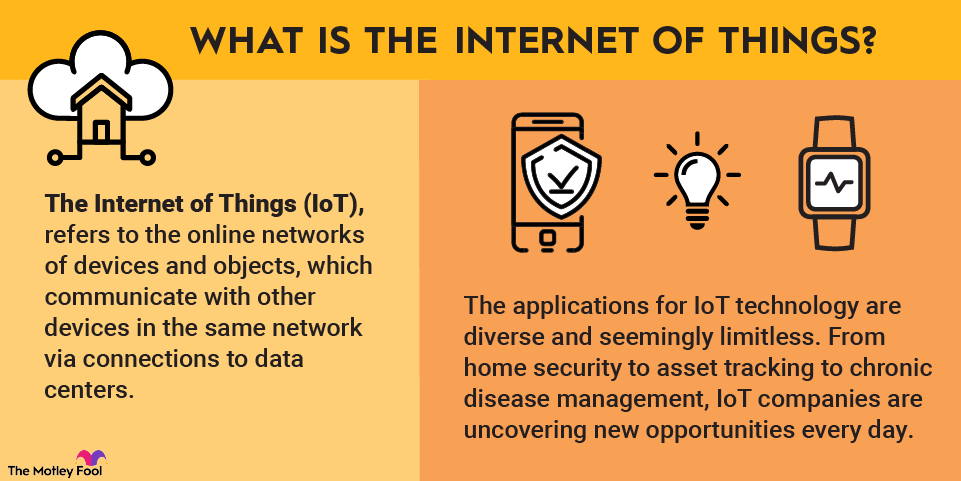
We already benefit from robotic processes every day. E-commerce companies, such as Amazon (AMZN +0.11%) and Shopify (SHOP +0.01%), automate tasks in fulfillment warehouses using intelligent machines. Smart speakers and other Internet of Things (IoT) devices in our homes play music and inform us of our daily schedules. Chatbots help us find the information we need on websites.
Other robot applications are a little less visible, though. Here are eight robotics stocks to consider investing in.
| Name and ticker | Market cap | Dividend yield | Industry |
|---|---|---|---|
| Nvidia (NASDAQ:NVDA) | $4.6 trillion | 0.02% | Semiconductors and Semiconductor Equipment |
| Intuitive Surgical (NASDAQ:ISRG) | $204.6 billion | 0.00% | Healthcare Equipment and Supplies |
| Abb (OTC:ABBN.Y) | $107.7 billion | 1.52% | Electrical Equipment |
| Rockwell Automation (NYSE:ROK) | $44.7 billion | 1.33% | Electrical Equipment |
| Zebra Technologies (NASDAQ:ZBRA) | $12.5 billion | 0.00% | Electronic Equipment, Instruments and Components |
| Teradyne (NASDAQ:TER) | $31.1 billion | 0.24% | Semiconductors and Semiconductor Equipment |
| Deere & Company (NYSE:DE) | $126.4 billion | 1.39% | Machinery |
| UiPath (NYSE:PATH) | $9.2 billion | 0.00% | Software |
1. Nvidia

NASDAQ: NVDA
Key Data Points
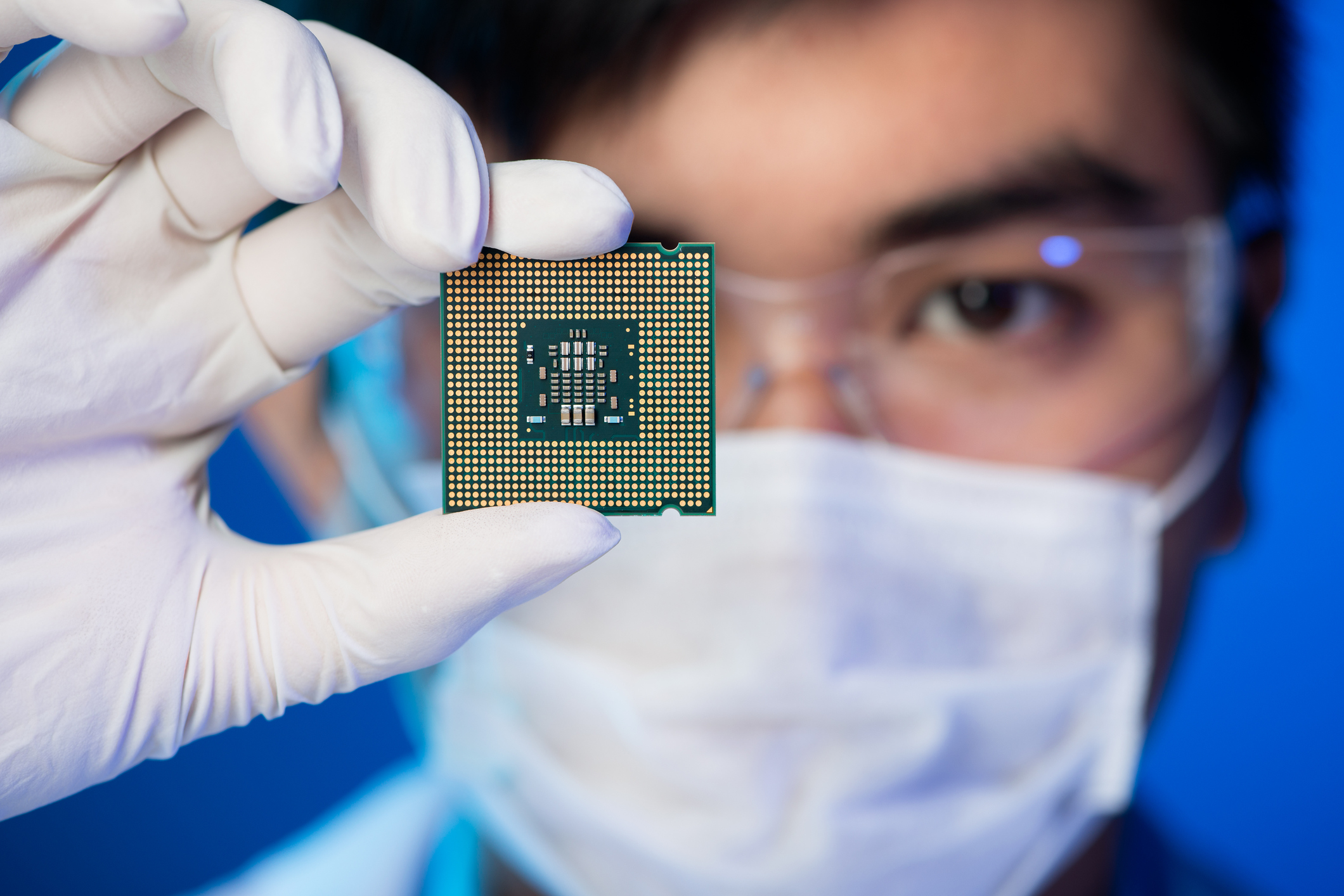
Semiconductors are the basic building blocks of all technology. Nvidia (NVDA -0.32%) has risen to become a leader in this area, and its advanced circuitry designs are enabling all sorts of high-end computing processes -- robots included.
Nvidia's GPUs (graphics processing units) are accelerating how quickly computing units can crunch data, especially in data centers. However, Nvidia chips also power everything from personal computers to small IoT devices to robotics in factories. For a complex system such as a robot, fast computing time is a necessity.
One example of Nvidia's work is embodied in its aptly named "Jetson" lineup of modules. Complete with artificial intelligence (AI) and machine learning software, Jetson devices are being used in applications spanning industrial and manufacturing machinery, healthcare devices, and self-driving vehicles. The company's three-computer solution to robotics enables robots to see, learn, and perceive their surroundings to make real-time decisions.
With its advanced capabilities on the hardware and software fronts, Nvidia is a top play on robotics for the long term since it helps its customers unlock AI's power. In October 2025, Nvidia announced that leading U.S. manufacturers, digital software developers, and robotics companies are using its Nvidia Omniverse technologies to build state-of-the-art robotic factories and new autonomous collaborative robots. This technology will help companies overcome labor shortages and drive the reindustrialization of America.
Semiconductor
2. Intuitive Surgical

NASDAQ: ISRG
Key Data Points
3. ABB

OTC: ABBN.Y
Key Data Points
4. Rockwell Automation

NYSE: ROK
Key Data Points
5. Zebra Technologies

NASDAQ: ZBRA
Key Data Points
Machine Learning
6. Teradyne

NASDAQ: TER
Key Data Points
7. John Deere

NYSE: DE
Key Data Points
8. UiPath

NYSE: PATH
Key Data Points
Benefits and risks of investing in robotics stocks
Investing in the robotics sector has its share of benefits and drawbacks. Some of the positives include:
- Growth potential: Demand for robotics is growing briskly. For example, global robot demand in factories could double over the next 10 years, according to a report by the International Federation of Robotics.
- AI play: AI will play an important role in the future of robotics, making the sector another way to invest in the AI megatrend.
- Diverse options: The robotics industry is broad, providing investors with many different options. For example, there are companies focused on using robotics in healthcare, agriculture, and industrial automation.
On the other hand, there are some risks to investing in robotics stocks, including:
- Limited pure plays: Many of the largest robotics players are foreign or private companies. Meanwhile, others involved in the sector have more diversified operations. This limits pure play investment options.
- Competition: There's a lot of competition in the sector, which might put the brakes on the robotics industry's profitability and growth.
- High costs: It's expensive to develop robots, which could slow their future adoption.