There are also some disadvantages to holding cryptocurrency. They include:
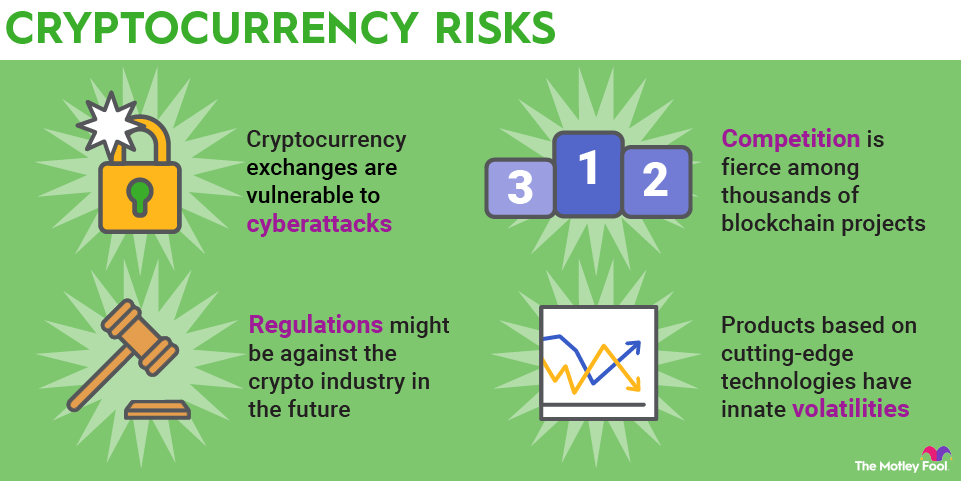
- No insurance. There's no insurance on funds held in cryptocurrency. Funds deposited in a bank account in the U.S. are typically insured through the Federal Deposit Insurance Corp. (FDIC). If the bank loses your money, you're covered up to $250,000 per account holder. There's no recourse if you or your custodian loses your cryptocurrency.
- No way to dispute transactions. If you accidentally send too much to someone or don't receive what you were supposed to in exchange, there's no way to dispute or reverse a transaction. All transactions confirmed on the blockchain are finalized. The only way to get your money back is if the other party agrees to send it to you.
- Easy to lose access to funds. If you lose your private key, you no longer have access to your funds. The private key is necessary to sign transactions and write them to the blockchain. Make sure you back up your private key in multiple places.
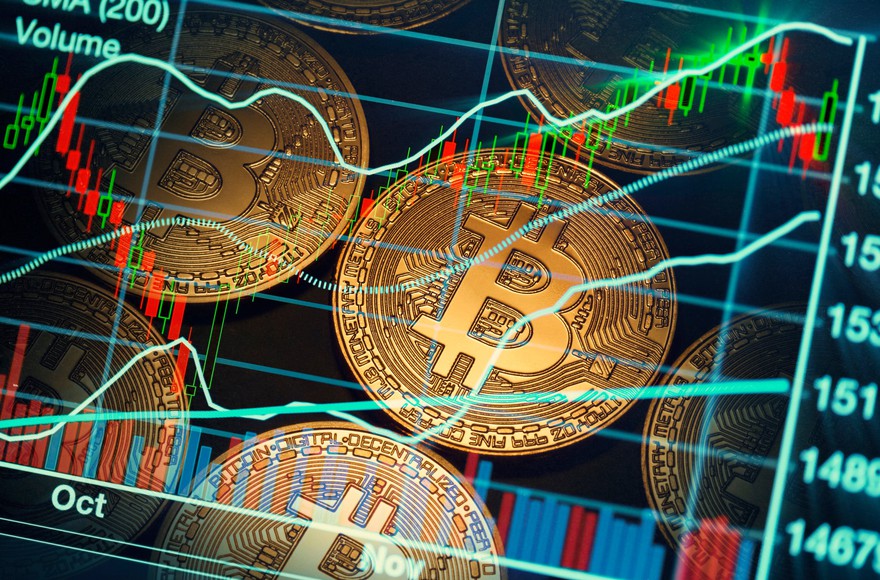
- High volatility. The values of many cryptocurrencies are extremely volatile. This can make them difficult to use for paying for goods and services, since retail prices would need to fluctuate to account for the currency's volatility. It can also make it difficult for an investor to stomach when the price can easily swing by more than 10% on any given day.
How to mine cryptocurrency
Mining cryptocurrency is the process of using your computing power to verify transactions on the blockchain. When you verify a block, you receive a reward and collect some fees from the transacting parties.
To start mining cryptocurrency, you'll need a computer you can dedicate to the process. You'll need a computer with energy-efficient processors to make sure you don't spend more on electricity than you earn from mining.
There are really only two viable processor options for mining most cryptocurrencies: graphics processing units (GPUs) or application-specific integrated circuits (ASICs). A GPU is typically found in gaming PCs or high-end PCs used for graphics rendering or artificial intelligence inference. An ASIC is a chip designed specifically for one task -- such as mining a certain cryptocurrency.
The advantage of ASICs is that they're far more efficient. The disadvantages are that they're much less flexible in what you can mine with them and are more expensive than GPUs.
Once you have the hardware, it's just a matter of setting up a cryptocurrency wallet and some mining software. Be sure to store your mining computer in a cool, well-ventilated part of your house since it will generate a lot of heat. And make sure you keep it connected to the internet so you can mine all day.
Once everything is set up, it's a pretty hands-off process. However, you need to monitor the cryptocurrencies you mine. A sharp price drop could make the operation unprofitable.
Related crypto topics