Please ensure Javascript is enabled for purposes of website accessibility

60-Second Guide to Maxing Out Your Benefits

By Motley Fool Staff – Updated Mar 7, 2017 at 3:55PM

You’re reading a free article with opinions that may differ from The Motley Fool’s Premium Investing Services. Become a Motley Fool member today to get instant access to our top analyst recommendations, in-depth research, investing resources, and more. Learn More

Get the most from your employer.

These days, negotiating the best salary you can, or making sure you earn yourself a big bonus, aren't the only things you have to worry about at work. Now more than ever, employee benefits are equally important aspects of your total compensation package. And with skyrocketing health-insurance premiums and health-care costs, you can't afford to make bad decisions about your benefits.

Although there are a lot of nuances to employee benefits, a quick look can tell you a lot about what you're entitled to, and how to make the most of it. By following some simple steps, you can learn about your benefits and find out what you can do to maximize their value.

0:60: Break it up
If you ask your HR department about your benefits, you might find yourself staring at the spine of a 200-page handbook. But don't panic. There are three major types of employee benefits you should be most concerned about: your employer's retirement plan, its health and disability insurance coverage, and self-pay options like flexible spending accounts or health savings accounts. While it's also important to know your employer's policies on things, these are the three areas where you have the most control over your situation -- and the most at stake.

0:50: Take your employer's money
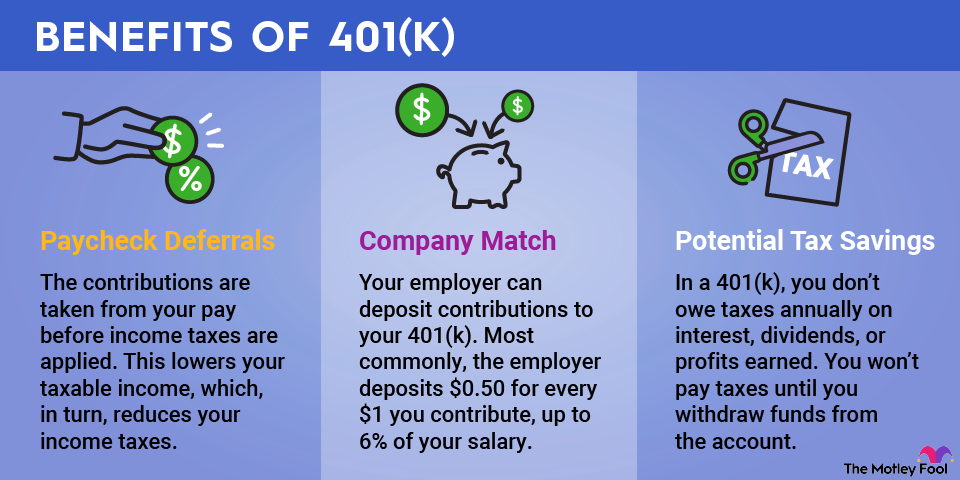
The best way to save for retirement is a whole topic unto itself. But in practical terms, the most important thing you should understand about an employer-sponsored retirement plan -- which in many cases will be a 401(k) plan -- is whether and how much your employer is contributing toward your retirement. Basically, if your employer pays you an incentive to participate in the plan, you should take your employer's money if at all possible. Whether it's through matching contributions, profit sharing, or other types of contributions, your employer's contributions represent free money that you can pick up easily.

0:39: Keep your finances healthy
If you think 401(k) plans are complicated, just wait until you see your employer's health insurance coverage. Many employers offer a wide menu of different plan options, ranging from expensive plans that cover nearly every conceivable medical expense you might have, to bare-bones plans that only kick in after you pay a substantial amount out of pocket. Obviously, you can't predict most medical expenses, but spending the time to figure out which plan option matches your needs most closely can pay big dividends in saved premium costs and lower medical bills.

0:27: Flex your muscles
No matter which plan you pick, you probably won't eliminate medical costs entirely. That's why a flexible spending plan can be so useful. These plans let you apply pre-tax money to health-care expenses like doctor's bills, prescription drugs, and other medical needs. In addition, some flex plans let you put money toward child care expenses. Used correctly, these plans can save you 30% or more on money you're going to spend anyway.

0:15: Cover the contingencies
Nobody wants to think about what would happen to their families if they were injured or killed on the job. But good benefits packages include things like life insurance and disability insurance coverage, which are tailored toward making sure that you and your family will have the income you need if something happens to you at work. Understanding how those benefits work with state laws like workers'-compensation statutes is important in order to find out exactly what you'd receive if tragedy were to strike.

0:04: Get back to work
Remember: Your employer won't keep giving you those benefits if you don't make sure you do your regular job. So while you shouldn't hesitate to ask your HR department about any questions you have, make sure you keep your on-the-job research to a minimum. After all, we don't want to get you into any trouble!

Got another sec?

None

Invest Smarter with The Motley Fool

Join Over 1 Million Premium Members Receiving…

  • New Stock Picks Each Month
  • Detailed Analysis of Companies
  • Model Portfolios
  • Live Streaming During Market Hours
  • And Much More
Get Started Now

HOW THE MOTLEY FOOL CAN HELP YOU

Motley Fool Returns

Motley Fool Stock Advisor

Market-beating stocks from our award-winning analyst team.

Stock Advisor Returns
329%
 
S&P 500 Returns
106%

Calculated by average return of all stock recommendations since inception of the Stock Advisor service in February of 2002. Returns as of 09/26/2022.

Discounted offers are only available to new members. Stock Advisor list price is $199 per year.

Premium Investing Services

Invest better with The Motley Fool. Get stock recommendations, portfolio guidance, and more from The Motley Fool's premium services.